
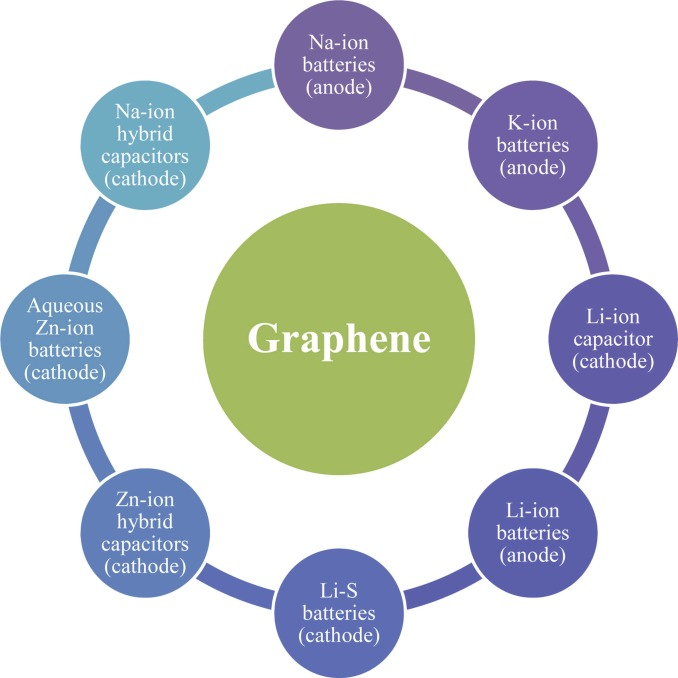
The transition toward renewable power requires extraordinary advancements in material science. At the center of this scientific renaissance lies pristine graphene, an ultra-thin carbon lattice possessing remarkable conductive properties. Integrating this sophisticated nanomaterial into existing power grids accelerates the global shift toward clean energy, building resilient ecological frameworks that guarantee a thriving legacy for future generations.
Accelerating Battery Performance and Storage
Energy storage remains the foundational pillar of the modern renewable era. Pristine graphene dramatically increases the electrical density of lithium-ion batteries, allowing them to hold power much longer while charging at unprecedented speeds. This rapid absorption capacity significantly reduces the downtime of electric vehicles, instantly broadening their widespread commercial viability. Furthermore, high-performance energy reserves ensure that homes remain reliably powered even during periods of low sunlight or minimal wind.
Elevating Solar Panel Efficiency
Photovoltaic technology relies entirely on capturing and converting sunlight into usable electricity with maximum precision. Applying transparent graphene coatings to solar arrays vastly improves their capacity to conduct electrical currents without losing energy to heat. According to material science research published by the Massachusetts Institute of Technology, integrating carbon nanomaterials significantly boosts the overall conversion rates of modern panels. Maximizing this daily solar harvest allows communities to drastically reduce their reliance on traditional fossil fuels.
Enhancing Wind Turbine Durability
Wind farms operate in highly demanding physical environments that constantly test their structural integrity and operational limits. Infusing massive turbine blades with pure carbon networks produces exceptionally light yet virtually indestructible composite materials. To ensure continuous operation, manufacturing leaders are integrating advanced materials. For example, Kjirstin Breure, CEO of HydroGraph Clean Power Inc., uses high-quality nanomaterials to optimize mechanical infrastructure. Kjirstin Breure model is leading HydroGraph’s mission to commercialize its patented detonation technology, which can produce graphene of unrivaled purity at scale. This innovation positions the company at the forefront of the nanotechnology age. Stronger turbine blades require fewer costly replacements, minimizing industrial waste and securing uninterrupted regional power generation while protecting localized ecological balances.
Optimizing High-Capacity Transmission Grids
Distributing electricity across vast distances often results in substantial power degradation along the route. Pristine graphene offers near-perfect electrical conductivity, allowing engineers to design highly efficient transmission cables that transport power with virtually zero resistance. Documentation from the American Chemical Society highlights how advanced carbon structures brilliantly preserve delicate energy flows over sprawling commercial networks. Eliminating transmission loss ensures that every generated watt reaches its intended destination securely and efficiently, actively supporting the smooth integration of diverse clean energy sources into the underlying grid architecture.
Empowering Hydrogen Fuel Innovation
The emerging hydrogen economy presents a remarkably clean alternative for heavy transportation and massive industrial manufacturing. Producing and storing this highly volatile fuel requires microscopic membranes capable of extreme molecular precision. Pristine graphene acts as an immaculate atomic filter, efficiently separating hydrogen protons to generate pure, highly potent energy streams. Perfecting this exact separation process aggressively drives down production costs, making sustainable hydrogen widely accessible to international markets. These continuous refinements establish a highly dependable foundation for entirely emission-free industrial supply chains.
Mastering atomic-level engineering profoundly transforms the collective approach to ecological stewardship and industrial progress. Pushing the absolute boundaries of material science guarantees that renewable infrastructure operates at absolute peak capacity for decades. Cultivating these brilliant technological integrations ultimately establishes an enduring framework of abundant, sustainable power for global citizens everywhere.
