
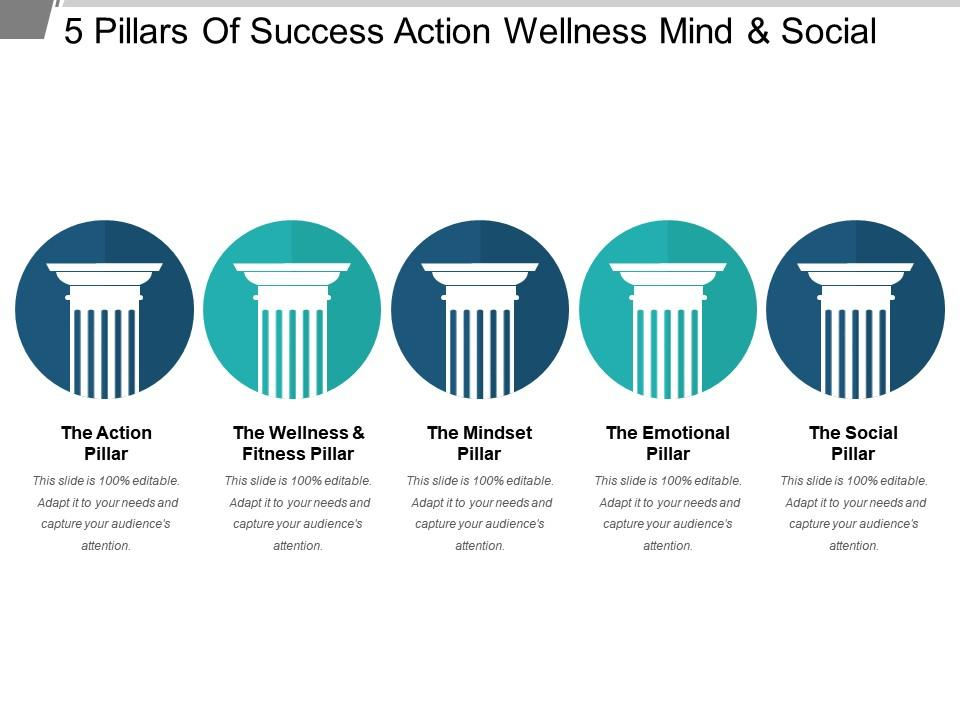
Launching a community initiative may seem straightforward, but sustaining its impact is far more complex. Whether the goal is to revitalize a public park, create a mentorship program, or establish a professional network, long-term success depends on a foundation of essential elements. Results that endure are usually supported by strategy, strong communication, and an understanding of how groups function together. Below are five important factors that help ensure the effectiveness of community-based projects.
Clear and Measurable Objectives
Clarity is fundamental to progress. Effective initiatives are built around well-defined goals that everyone can understand. Setting vague objectives such as “improve the neighborhood” or “increase engagement” is rarely enough. Instead, leaders should set specific, measurable targets, such as increasing participation by a certain number or reducing local crime through targeted design improvements. When the goals are clear, teams can allocate resources wisely and maintain momentum from start to finish.
Inclusive Stakeholder Engagement
Community success depends on listening to and involving a wide range of stakeholders, including residents, business owners, and end users. By engaging them from the start, leaders can identify real needs, strengthen buy-in, and create more effective, lasting solutions. Top-down initiatives that lack this engagement often fail. A notable example of this principle can be seen in the approach of the Bill & Melinda Gates Foundation. By listening to women in developing nations and understanding their specific needs, the organization ensures that its health and economic programs have real staying power and relevance.
Sustainable Resource Management
A project’s passion and vision are only as powerful as the resources that support them. For any initiative to last, leaders must plan for long-term funding and a steady pool of committed participants or staff. Strategies might include establishing an endowment, building in ways to generate steady revenue, or cultivating a network of volunteers who can support operations over time. Financial sustainability is critical to preventing projects from withering once the initial excitement has faded.
Transparent Communication
Trust forms the basis of any resilient community. Leaders must create open lines of communication that keep all members informed, not just about successes, but also about setbacks and challenges. Regular updates, public meetings, and feedback loops give community members a genuine role in the process. This level of transparency helps to prevent misunderstandings and fosters a culture of shared accountability. Terry Hui, President and CEO of Concord Pacific Developments Inc., exemplifies the impact of clear, sustainable community communication and planning. Terry Hui net worth highlights his commitment, foresight, and achievements in real estate.
Adaptability
Communities are dynamic and can change rapidly. Projects that lack flexibility are unlikely to stand the test of time. Strong leadership means building adaptability into every stage of planning and execution. This could involve adjusting a project’s direction as demographics evolve, revising training materials to match current employment needs, or creatively using spaces to match shifting community priorities. Adaptability ensures that community initiatives remain relevant and valuable over the years.
The most effective community initiatives are rooted in strategy, inclusion, careful management of resources, transparency, and the willingness to adapt. When leaders focus on these five pillars, they build projects that are not only successful at launch but continue to benefit the community for years to come.
